Pigs and Their Role in Sustainable Farming
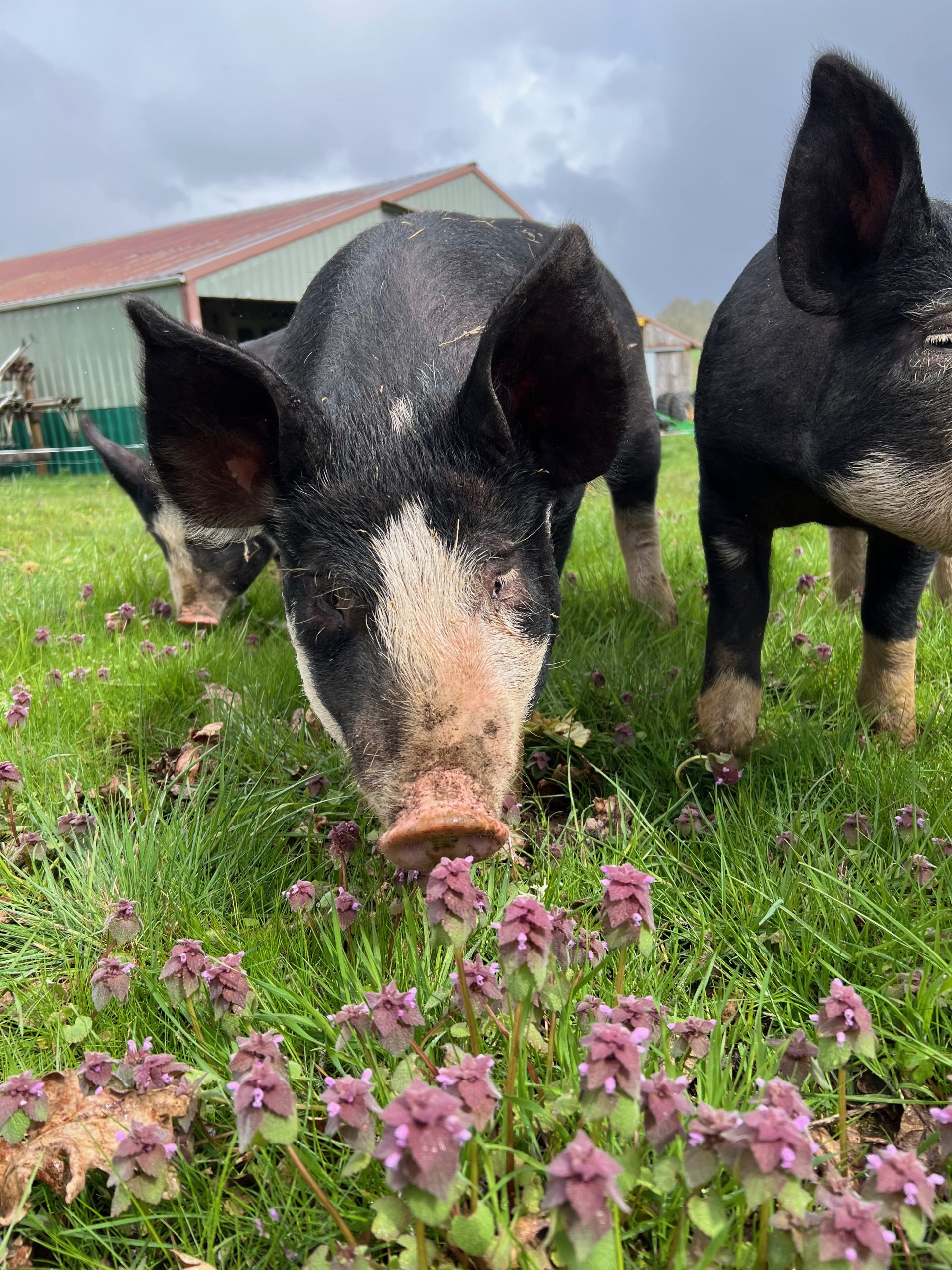
At Red Oaks Farm, we believe in the harmony between animals, agriculture, and the environment. Among the key players in this balance are pigs, often underestimated in their contributions to sustainable farming practices. In this blog post, we’ll explore the multifaceted role pigs play in fostering a sustainable agricultural ecosystem and how they benefit not only our farm but also our community and the environment.
Pigs as Natural Foragers
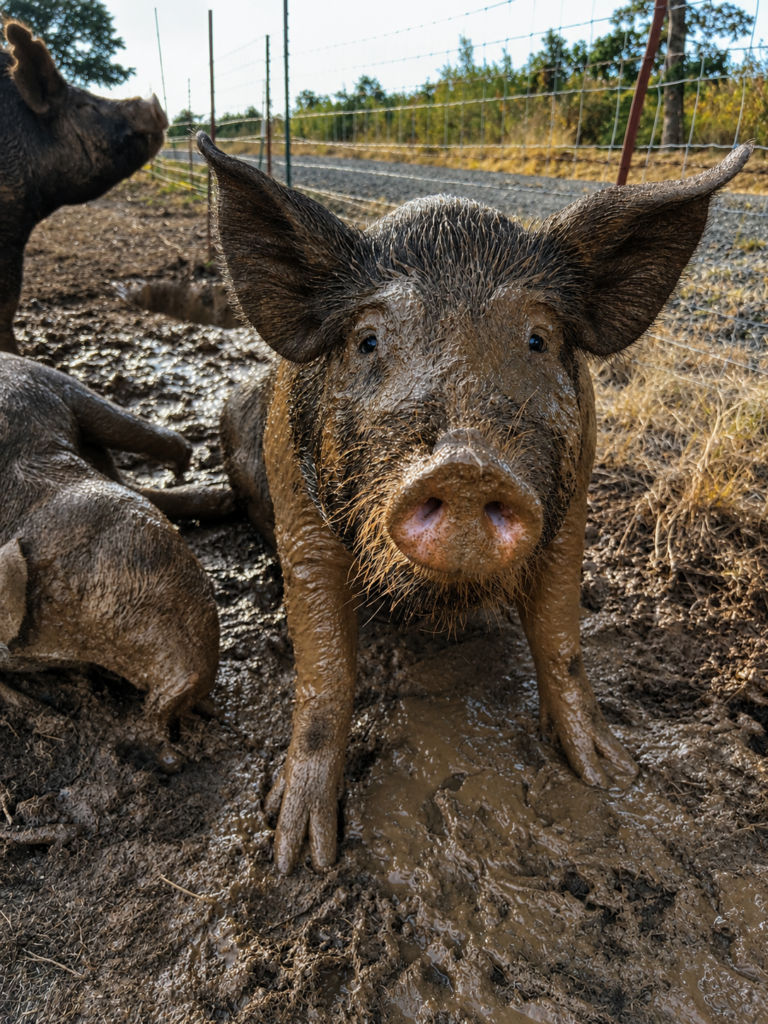
Pigs are natural foragers, known for their intelligence and curiosity. In their quest to find food, they root around in the soil, turning it over and aerating it. This behavior helps to break up compacted soil, promoting better drainage and root growth for plants. By allowing pigs to graze on pastures, farmers can benefit from their foraging instinct, making efficient use of land while providing pigs with a varied diet that enhances their health and well-being.
Improving Soil Health
The act of rooting is not just beneficial for the pigs; it plays a crucial role in improving soil health. When pigs dig and churn the earth, they naturally incorporate organic matter, such as leaves and plant remnants, into the soil. This process enhances soil fertility, boosts microbial activity, and increases water retention. Healthier soil leads to more robust plant growth, creating a sustainable cycle of nutrient regeneration on the farm.
Waste Management and Recycling
Pigs are also excellent recyclers of food waste. Their omnivorous diet allows them to consume a wide range of plant materials, including leftovers from vegetable farming. By feeding pigs these scraps, farms can significantly reduce waste while providing high-quality nutrition to the animals. This practice aligns with the principles of a circular economy, where waste from one process becomes a resource for another.
Biodiversity and Ecosystem Balance
Incorporating pigs into a farm’s livestock mix can help enhance biodiversity. By rotating pigs with other livestock, farmers can break disease cycles, reduce parasite loads, and create a more resilient ecosystem. This diversity in animal husbandry allows farms to thrive without relying heavily on chemical inputs.
A Source of Local, Ethical Meat
When raised sustainably, pigs provide a delicious and nutritious source of meat that supports local economies. By choosing to source pork from responsible farms, consumers can enjoy high-quality meat while contributing to sustainable agricultural practices. At Red Oaks Farm, we prioritize ethical treatment of our animals, ensuring they have a natural and healthy life, which ultimately results in superior meat quality.
Community and Education
Pigs also play an educational role in sustainable farming. They offer a unique opportunity for farmers to engage with the community and promote awareness about sustainable practices. Farm tours, workshops, and events centered around pig farming can foster a connection between consumers and their food sources, encouraging a more conscious approach to eating.
Conclusion
The inclusion of pigs in sustainable farming practices offers numerous benefits, from enhancing soil health and recycling waste to providing delicious, locally-sourced meat. At Red Oaks Farm, we embrace the role pigs play in our ecosystem, knowing that they are not just animals on our farm, but integral partners in our commitment to sustainable agriculture.
As we continue to nurture our pig family, we invite you to follow along in our journey and discover the many ways pigs contribute to a greener, more sustainable future for agriculture. Together, we can celebrate the importance of these remarkable animals and their role in feeding both the land and our communities.