Maximizing Profit on a Small Farm: Harnessing Honey, Garlic, Flowers, and Pigs
Running a small farm can be both fulfilling and financially rewarding if you know how to leverage your resources effectively. With honey, garlic, flowers, and pigs at your disposal, there are numerous opportunities to generate income and create a sustainable farming operation. In this article, we’ll explore creative strategies to enhance your farm’s profitability.
- Honey Production: Sweet Revenue Streams
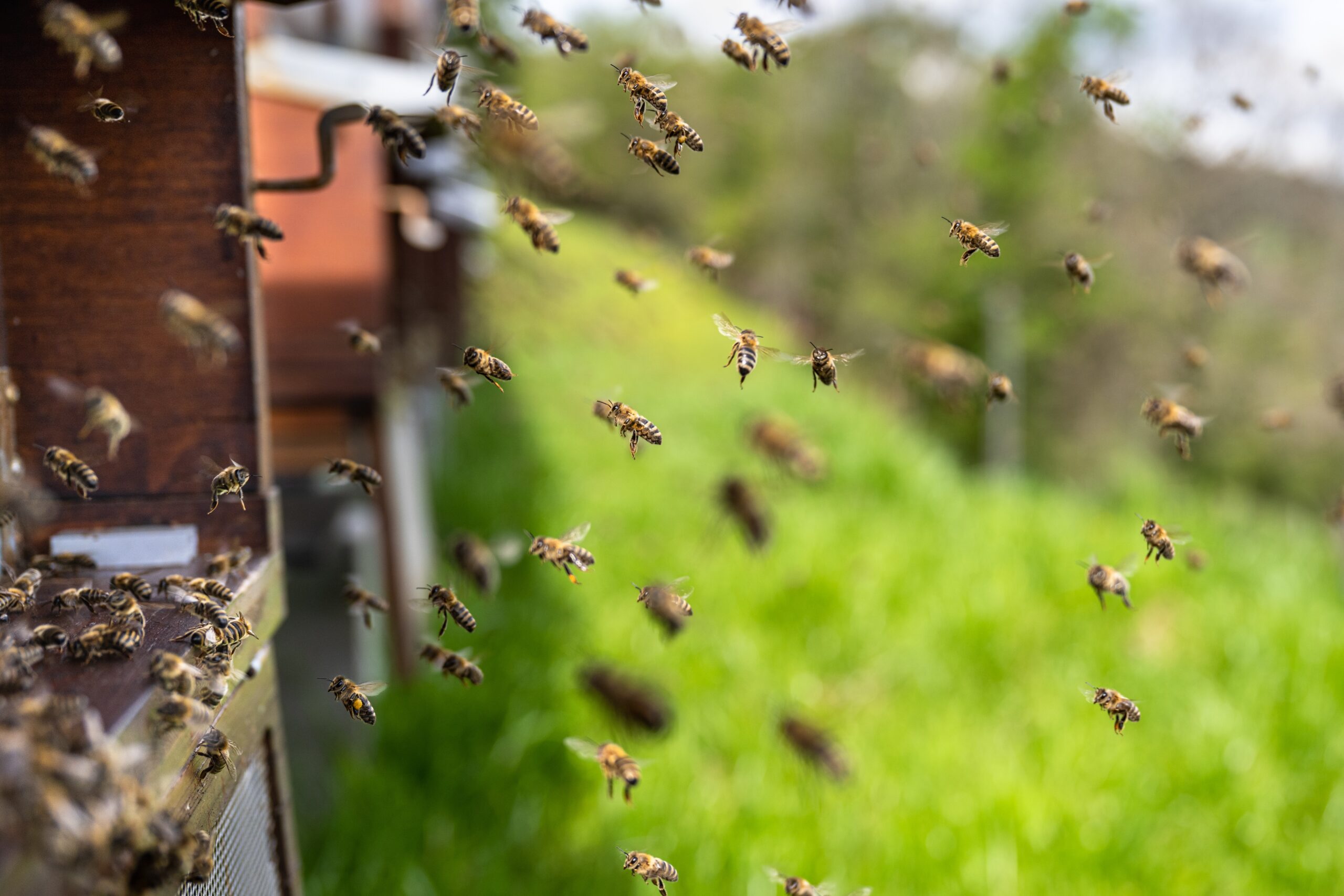
Beehive Management: Beekeeping is a fantastic way to produce honey, which is a high-demand product. Make sure your hives are healthy and productive. Regular hive maintenance, including checking for diseases and pests, will ensure a steady flow of honey.
Diversify Honey Products: Don’t just stop at bottled honey. Consider creating value-added products such as flavored honey, beeswax candles, honey-infused skincare products, and bee pollen. These items can fetch higher prices and attract a wider range of customers.
Farmers’ Markets and Online Sales: Selling directly at local farmers’ markets is an excellent way to reach customers. Create attractive displays to showcase your honey products. Additionally, explore online platforms to reach a broader audience, perhaps through an e-commerce site or local delivery service.
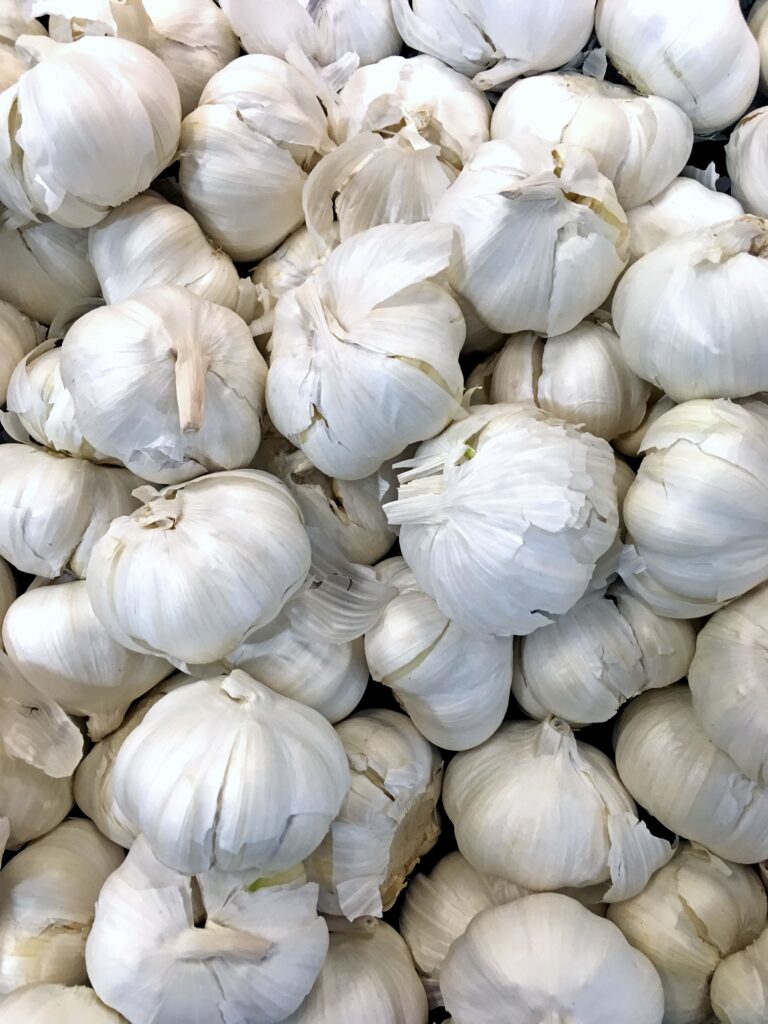
- Garlic: A Flavorful Cash Crop
Growing High-Demand Varieties: Garlic is a popular culinary staple and can be profitable if grown correctly. Focus on high-demand varieties, such as hardneck or specialty gourmet garlics, which command higher prices in the market.
Culinary Products: Consider producing garlic-infused oils, pickled garlic, or garlic powder to add value. These products can attract gourmet food enthusiasts and health-conscious consumers.
Workshops and Tours: Leverage your garlic farm by hosting workshops or tours, teaching others about garlic cultivation, culinary uses, and pest management. Charge a fee for attendance and provide samples to encourage attendees to purchase your products.
- Flowers: Blooms that Bring Profits
Diverse Flower Cultivation: Growing a variety of seasonal flowers can be lucrative, especially if you focus on unique or hard-to-find blooms. Specialty flowers like dahlias, peonies, or even edible flowers will entice florists and direct consumers.
Subscription Services: Offer a flower subscription service where customers receive fresh bouquets on a weekly or monthly basis. This commitment provides you with a reliable income stream and builds customer loyalty.
Event Flowers: Partner with local event planners or wedding coordinators to supply flowers for events. Creating beautiful arrangements using your blooms can lead to significant rental and sales opportunities for both fresh and dried flowers.
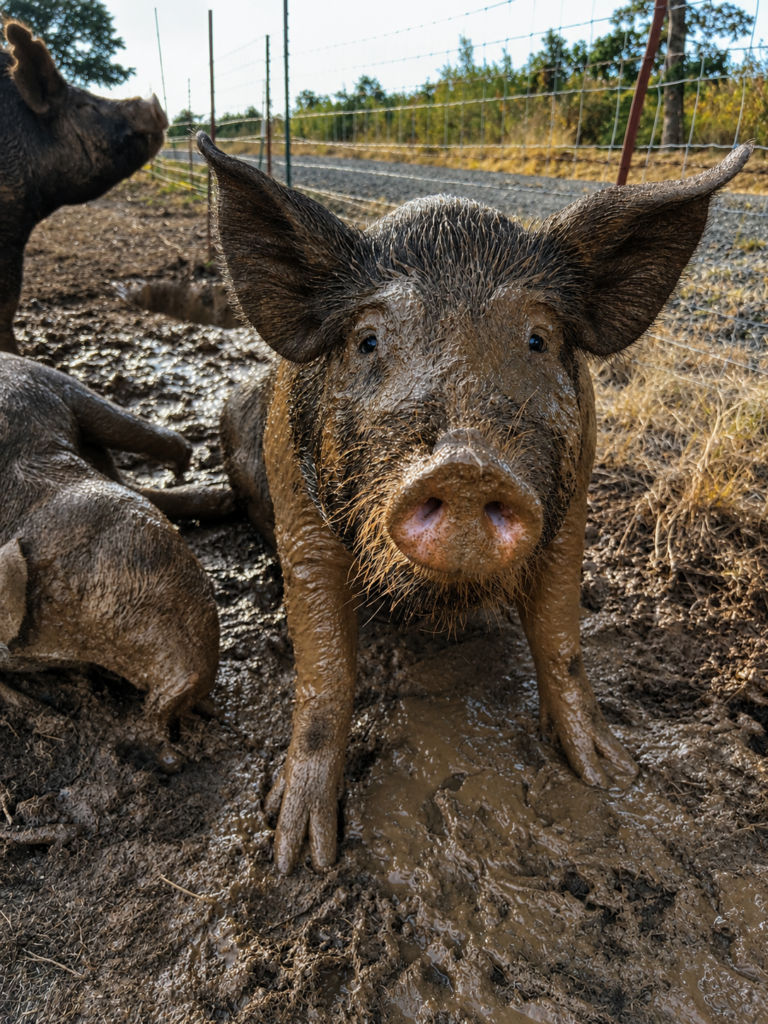
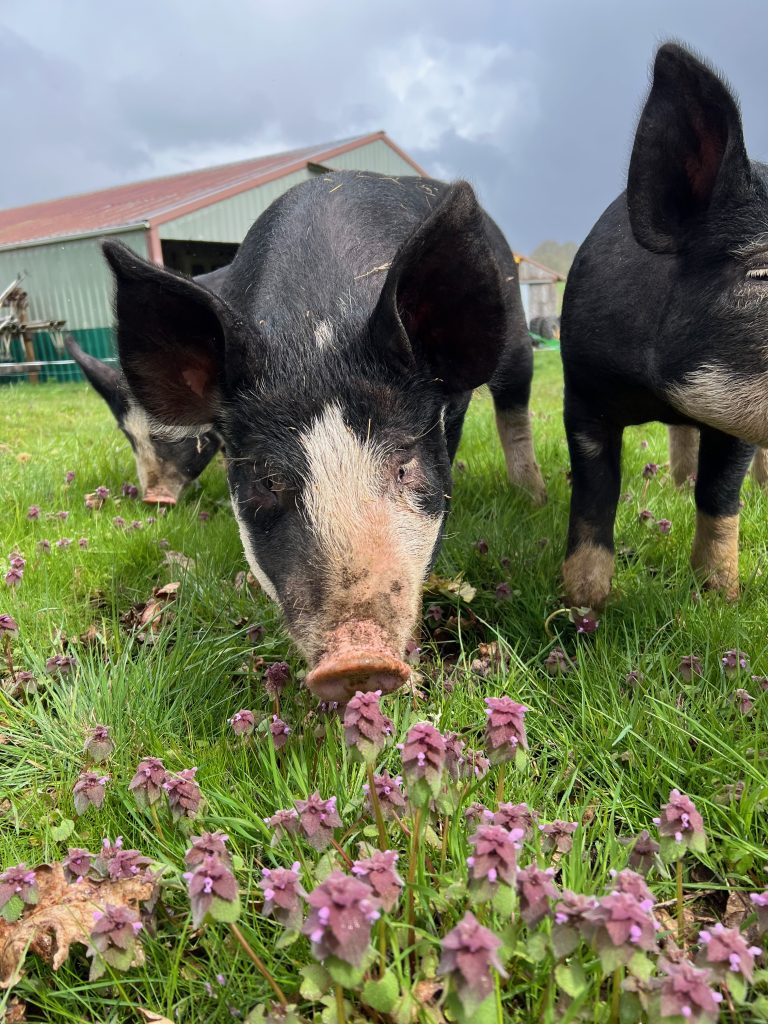
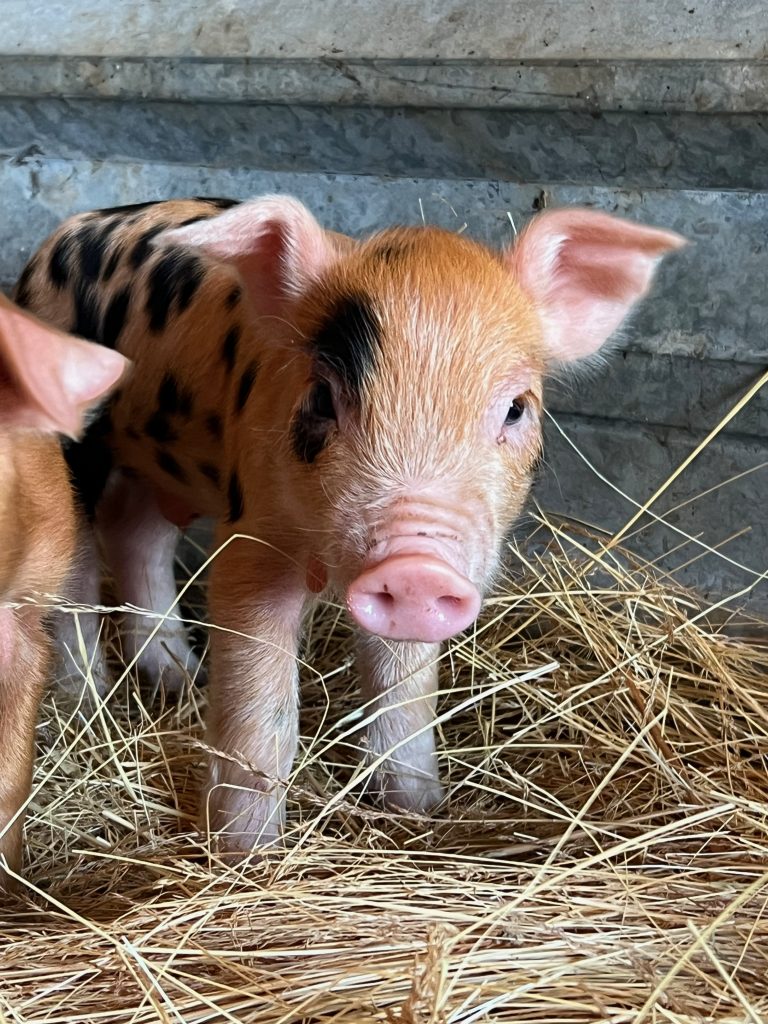
- Pigs: Profitable Protein Production
Breeding and Sale: If you breed pigs, sell piglets to local farmers or hobbyists. Heritage or rare pig breeds often attract higher prices due to their unique qualities.
Culinary Products: Explore full utilization of your pigs by producing high-quality meat products. Think beyond traditional cuts—offer specialty items like sausages, bacon, and cured meats. Utilize farm-to-table events to promote these products while educating consumers about humane farming methods.
Farm Tours and Experiences: Engage the community by hosting farm tours that focus on the raising and care of pigs. Charge for tours, or combine them with cooking classes featuring pork recipes, allowing participants to experience both fun and education.
- Creating a Cohesive Farm Business Model
Farm Stand: Consider establishing a farm stand where you sell your honey, garlic, flowers, and pork products in one location. Bundle products together to encourage larger purchases, such as creating gift baskets that showcase your best offerings.
Cooperative Marketing: Collaborate with other local farms or artisans to promote your products collectively. Joint marketing efforts, such as community events or shared social media promotions, can expand your reach and customer base.
- Emphasizing Sustainability and Community Engagement
Sustainable Practices: Implement sustainable farming practices that resonate with today’s environmentally conscious consumers. Use organic methods, reduce waste, and showcase your commitment to sustainability as a selling point for your products.
Community Involvement: Engage with your local community through events, workshops, or partnerships. Building relationships with customers fosters loyalty and trust and enhances your farm’s reputation.
Conclusion
A small farm with honey, garlic, flowers, and pigs has immense potential for profitability. By creatively marketing your products, diversifying offerings, and building strong community connections, you can maximize income and create a sustainable farming enterprise. Embrace the uniqueness of your farm’s resources, and watch as your efforts blossom into a thriving business!